Zero waste for a better future
10/01/2025
The European Union and Jugend Für Europe provided support for this Erasmus+ Youth Project.
The Zero Waste for a Better Future project was designed to raise environmental awareness among young people and to develop habits of recycling, reusing, and responsible consumption.
Although recycling practices began during the World Wars, today the world still faces major challenges caused by industrial and household waste. Chemical waste, batteries, oils, and packaging materials continue to threaten both human health and natural ecosystems.
In Europe alone, 25 million tons of plastic waste are produced each year, and only 30% of it is recycled. In Türkiye, approximately 23 million tons of waste are generated annually, much of which is sent to landfills instead of being reused or recycled. The lack of environmental awareness and insufficient implementation of recycling policies exacerbate the problem.
Recycling is not only an environmental action but also an economic necessity. It reduces industrial energy consumption, lowers collection and transportation costs, minimizes pollution, and helps slow down climate change. As noted by the Environmental Protection Agency (EPA, 1999), recycling also reduces pressure on biodiversity by conserving resources and energy.
To raise awareness among young people about reusing waste materials and to develop social responsibility and environmental consciousness by fostering recycling habits.
Specific Objectives
- To educate participants on the safe management of household chemical waste.
- To instill a sense of responsibility toward protecting nature and living beings.
- To raise awareness about packaging waste recycling and the impact of conscious consumption.
- To inform participants about the environmental consequences of improper waste disposal.
Main Activities
1️⃣ Creating Recycling Bins
Participants designed recycling boxes illustrated with images of recyclable materials, promoting correct waste separation habits.
2️⃣ Introducing Recyclable vs. Non-Recyclable Products
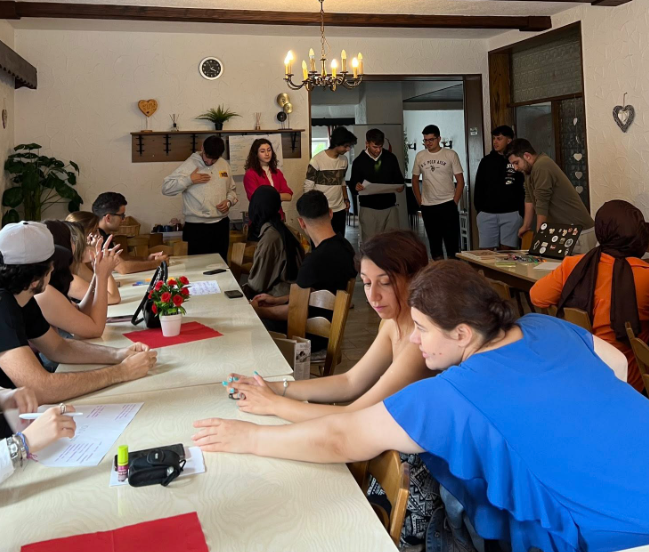
Interactive presentations and quizzes on extinction times of various materials in nature, followed by the Recycling T-Shirt Workshop, where participants created shirts for outdoor campaigns.
3️⃣ Debate – “Does Packaging Reduce or Increase Waste?”
A critical discussion encouraging analytical thinking on the environmental role of packaging.
4️⃣ Brainstorming: Zero Waste vs. Packaging
Exploring the balance between packaging use and waste management effectiveness.
5️⃣ “Wastes Polluting My Country” Presentations
Each national group analyzed the most common waste problems in their own country and proposed local solutions.
6️⃣ Good Practice Examples
Research and group presentations on successful zero-waste policies implemented by EU countries.
7️⃣ Company Visit – ERENSAN Recycling
Observation of the Green Dot system and professional recycling practices in action.
8️⃣ Social Experiment
Participants portrayed three roles:
- individuals who litter,
- citizens who intervene, and
- animals harmed by pollution —
creating a powerful visual awareness action.
9️⃣ “My People Speak” Interviews
Interviews with local residents about waste management and consumption habits.
10️⃣ Expert Talk
Chemical Engineer Mehmet Oğuz delivered an interactive session on the health and environmental risks of metal waste.
11️⃣ Harms of Plastic and Nylon
Group research and visual presentations on the ecological effects of plastics on wildlife and ecosystems.
12️⃣ Glass Recycling Presentation
An expert from a glass recycling facility demonstrated how glass waste is collected, processed, and reborn as new products.
13️⃣ Drama: “My World After Ten Years”
A theatrical reflection on a future affected by pollution, inspiring emotional and behavioral awareness.
14️⃣ Station Study – “Domestic Waste: Cosmetics, Medicine & Oil”
Workshops examining the global problems caused by improper disposal of household hazardous waste.
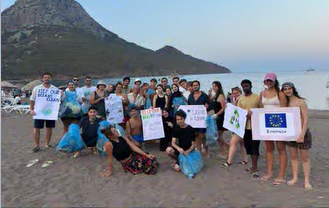
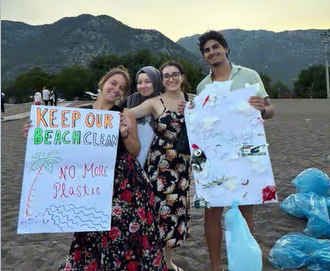
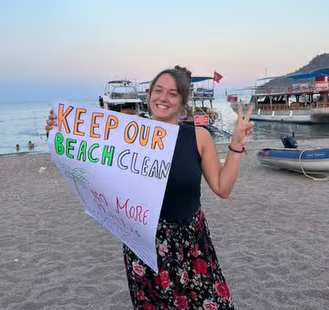
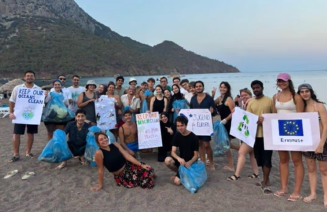
15️⃣ “Sea of Garbage” Beach Clean-Up
A community event where participants wore their recycling T-shirts and collected coastal waste, shared live on social media to raise awareness.
16️⃣ Municipality Visit
Study visit to the Antalya Metropolitan Municipality, learning about municipal recycling systems and zero-waste practices.
17️⃣ Project Preparation Workshop
Using the 5W1H method, participants brainstormed and drafted new environmental project ideas for future collaboration.
18️⃣ Mini Erasmus+ Commemorative Forest
The project concluded with tree planting, creating a “Mini Erasmus+ Forest” symbolizing renewal and sustainability.
Participants prepared eco-signs with environmental messages and placed them across the area.
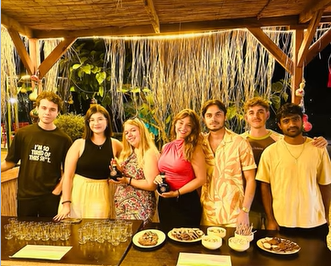
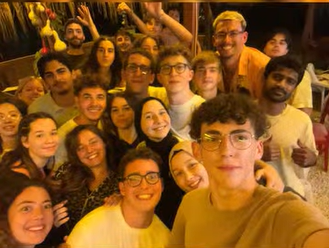
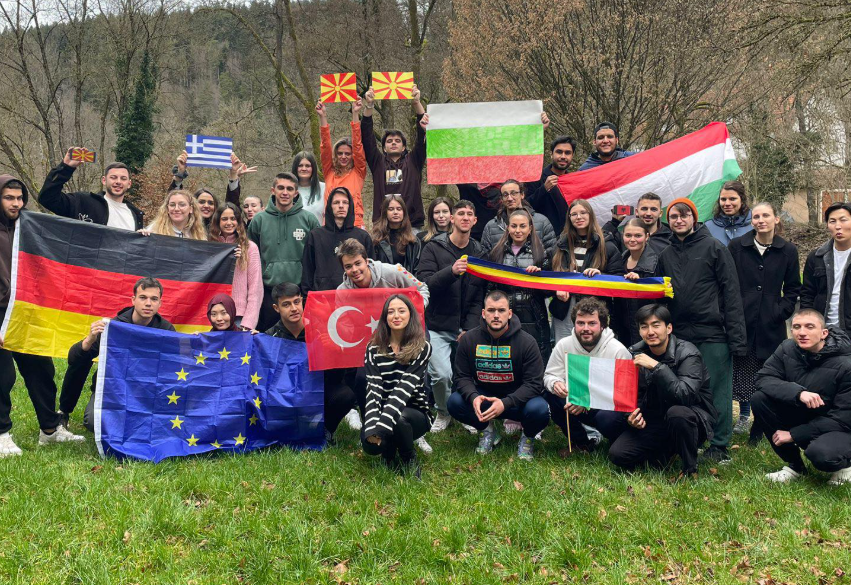
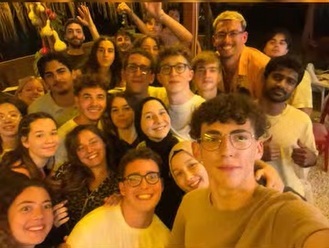
The project brought together 49 young people from 7 different countries.
- Age range: 18–30 years.
- Leaders: Experienced youth workers (25+ years old, 5+ years of experience).
- Each team included economically and socially disadvantaged participants, ensuring inclusivity and equal opportunity.
Impact
The project empowered participants to:
- Gain practical recycling and waste management skills.
- Develop leadership and civic responsibility for environmental protection.
- Inspire their peers and local communities through social media campaigns and direct actions.
- Understand how small, everyday choices contribute to global sustainability.
Local stakeholders, municipalities, and recycling companies were also engaged, ensuring that the project’s impact extended far beyond its duration.
The European Commission’s support for the production of this publication does not constitute an endorsement of the contents, which reflect the views only of the authors, and the Commission cannot be held responsible for any use which may be made of the information contained therein.