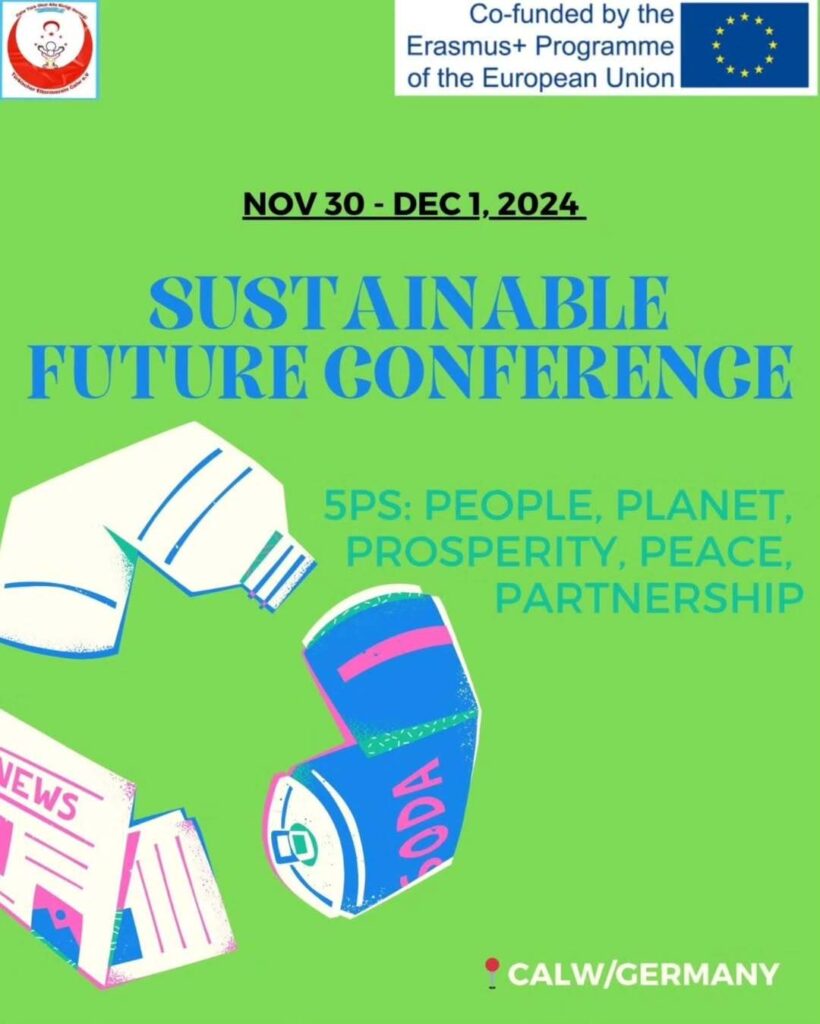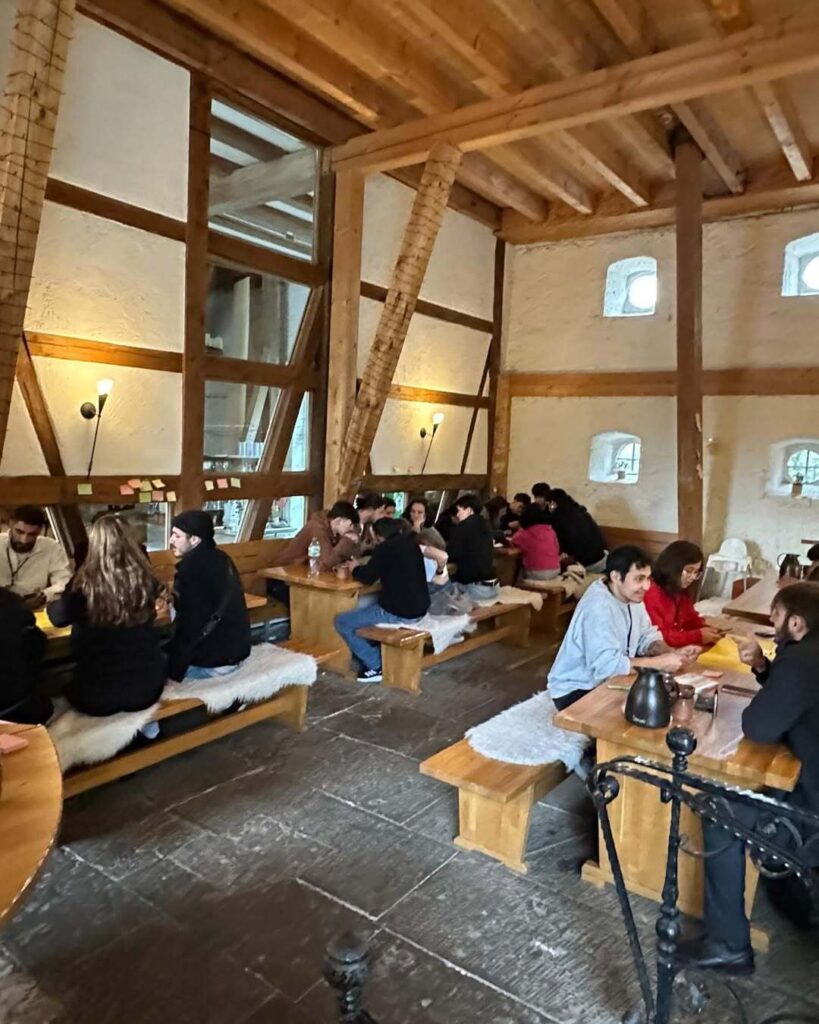
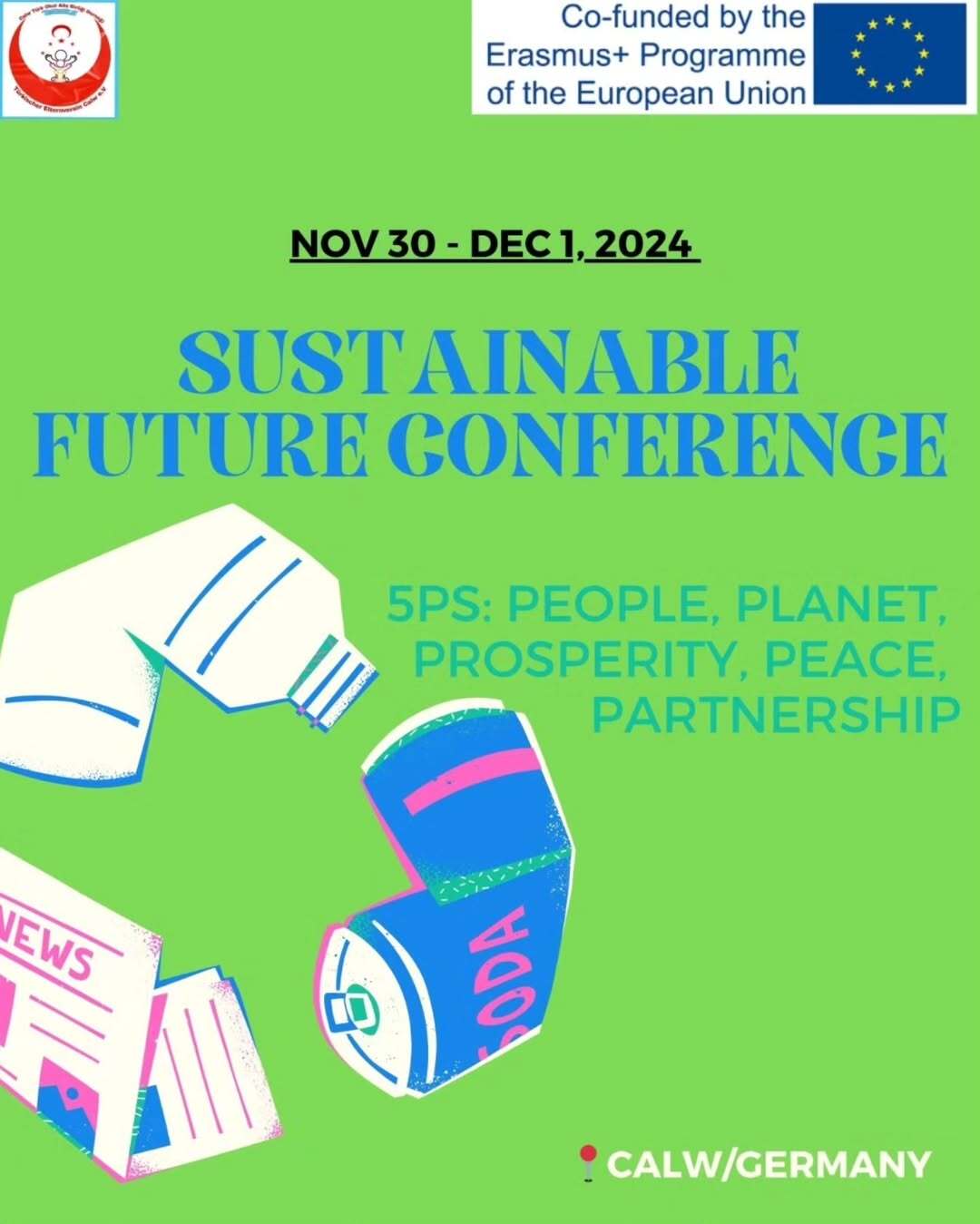
5PS: PEOPLE, PLANET, PROSPERITY, PEACE, PARTNERSHIP
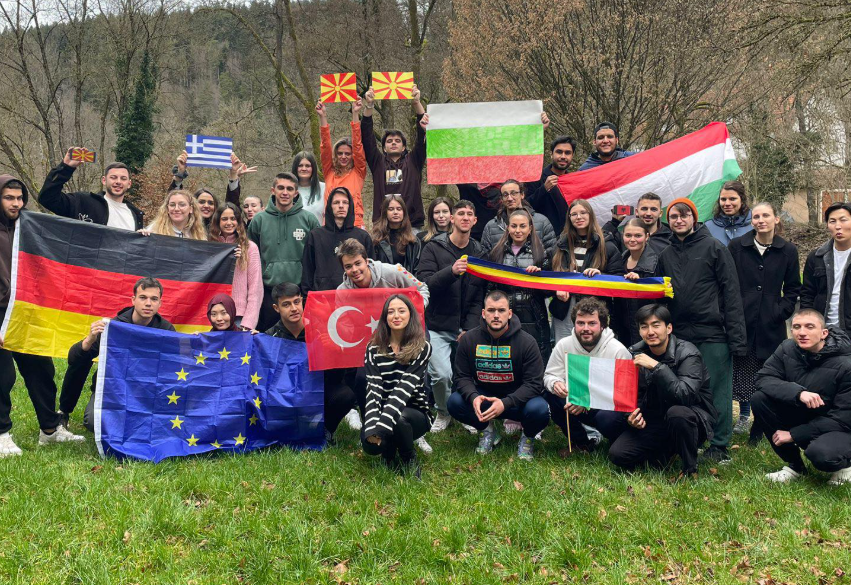
The European Union and Jugend Für Europe provided support for this Erasmus+ Youth Project.
When: Oct – Nov 2024
Sustainable development is more than a goal — it is a shared responsibility that unites humanity in the pursuit of progress without destroying the planet. It ensures that today’s needs are met without compromising the future, preserving the balance between human welfare, economic growth, and environmental stability.
The 5PS Project was designed to empower young people to understand, internalize, and act upon the five key dimensions of the United Nations 2030 Agenda for Sustainable Development —
People, Planet, Prosperity, Peace, and Partnership.
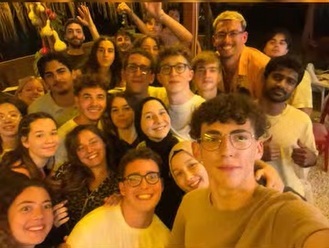
Through intercultural learning, expert sessions, and hands-on workshops, the project inspired youth to become active citizens, sustainability advocates, and future leaders of change within the European Union and beyond.
The European Union’s Global Strategy highlights the 2030 Agenda as a roadmap for promoting shared prosperity, environmental protection, peace, and partnership worldwide.
The EU and its Member States pursue policies that are mutually reinforcing — tackling global challenges through integrated actions that address social, economic, and environmental dimensions together.
The 5PS Project echoed this vision by engaging European youth to understand the EU’s role in achieving the Sustainable Development Goals (SDGs), motivating them to take civic action and co-create innovative solutions for a sustainable future.
Activities
1️⃣ Orientation and Preparation
- Project Opening & Schedule Presentation – Introduction to the project scope and goals.
- 5PS Sustainable Future Conference Briefing – Overview of the conference concept.
- Group Dynamics & Expectation Mapping – Icebreakers and “Journey Simulation” exercises.
- Erasmus+ & Youthpass Introduction – Engaging session on Erasmus+ values and Youthpass certification.
- 2️⃣ Understanding Europe
- EU History & Timeline Workshop – Participants created a visual timeline of milestones in European integration.
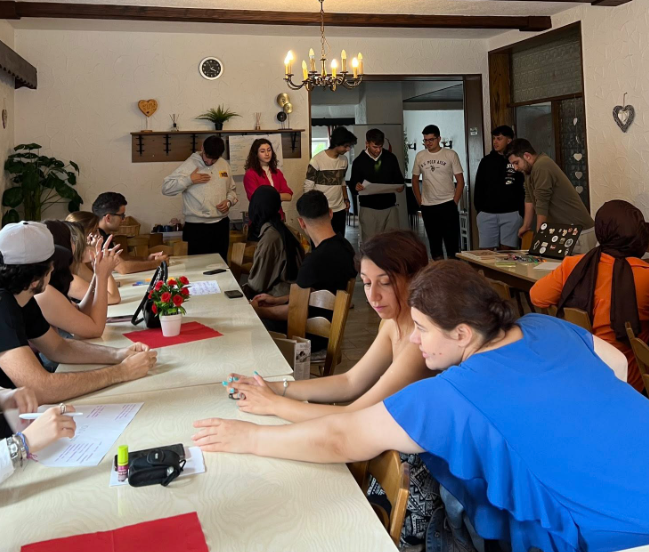
- EU Institutions Tour – Simulated “institution tables” allowed groups to explore the European Parliament, Commission, and Council roles interactively.
- Leadership & Team-Building Session – Featuring an online expert talk with young sustainability leaders from partner countries.
- Expert Presentation on Sustainability & Development – Delivered by an Italian facilitator with a Master’s in Sustainable Cooperation, followed by a Q&A.
- 3️⃣ Exploring the 5PS Themes
People – Human Dignity and Development
Focus on poverty reduction, education, gender equality, and youth employment. Participants discussed how the EU supports social inclusion and equality.
Planet – Protecting the Environment
Workshops on climate change, renewable energy, and sustainable resource management. Emphasis on the EU Green Deal and individual responsibility toward a greener planet.
Prosperity – Sustainable Growth and Jobs
Sessions explored how inclusive economic growth, decent work, and entrepreneurship can create shared prosperity — particularly for women and youth.
Peace – Promoting Justice and Human Rights
Discussions on democracy, human rights, and the rule of law as pillars of sustainable peace. Participants reflected on the role of EU institutions in fostering global stability.
Partnership – Working Together for the Future
Group dialogues highlighted global cooperation and the importance of partnership between countries, civil society, and citizens in implementing the 2030 Agenda.
-
- Impact
Participants:
-
-
- Gained deep understanding of the SDGs and EU sustainability policy.
- Developed leadership, teamwork, and communication skills.
- Increased their motivation to act locally for global change.
- Produced digital campaigns and innovative project proposals for sustainable futures.
- Strengthened intercultural understanding and a sense of European identity.
-
The European Commission’s support for the production of this publication does not constitute an endorsement of the contents, which reflect the views only of the authors, and the Commission cannot be held responsible for any use which may be made of the information contained therein.