Accurate Information, Solid Society
November2024
The European Union and Jugend Für Europe provided support for this Erasmus+ Youth Project.
In today’s rapidly digitalizing world, false and manipulative information spreads faster than ever — shaping public opinion, influencing decisions, and weakening trust in institutions.
The Accurate Information, Solid Society project was developed to empower young people to critically evaluate online content, recognize misinformation, and promote a culture of truth, transparency, and digital responsibility.
Through interactive activities, expert presentations, and creative campaigns, the project aimed to build a new generation of media-literate, socially responsible citizens who can distinguish fact from fiction and contribute to a healthier information ecosystem.
To reduce individuals’ exposure to false information and enhance access to accurate, reliable data in the digital environment by equipping young people with media literacy and critical thinking skills.
Specific Objectives
- Develop Digital Media Literacy Education Programs focused on identifying manipulative or misleading content.
- Promote Media Literacy Courses in schools and universities to teach students how to critically evaluate information.
- Create Guidance Materials providing strategies to verify online sources and evaluate credibility.
- Organize Public Awareness Campaigns to highlight the dangers and social impact of disinformation.
- Collaborate with Social Media Platforms and Media Organizations to promote transparent fact-checking standards.
- Conduct Seminars and Trainings in Community Centers to raise public awareness about recognizing and preventing false news.
- Establish a Collaborative Network connecting young people, media professionals, and educational institutions for sharing reliable information.
- Provide Regular Online Resources and Updates to make trustworthy digital content easily accessible.
By achieving these goals, the project aims to foster a more conscious, media-literate society and build resilience against disinformation among European youth.
Project Stages
Stage 1: Informative Presentations by Experts
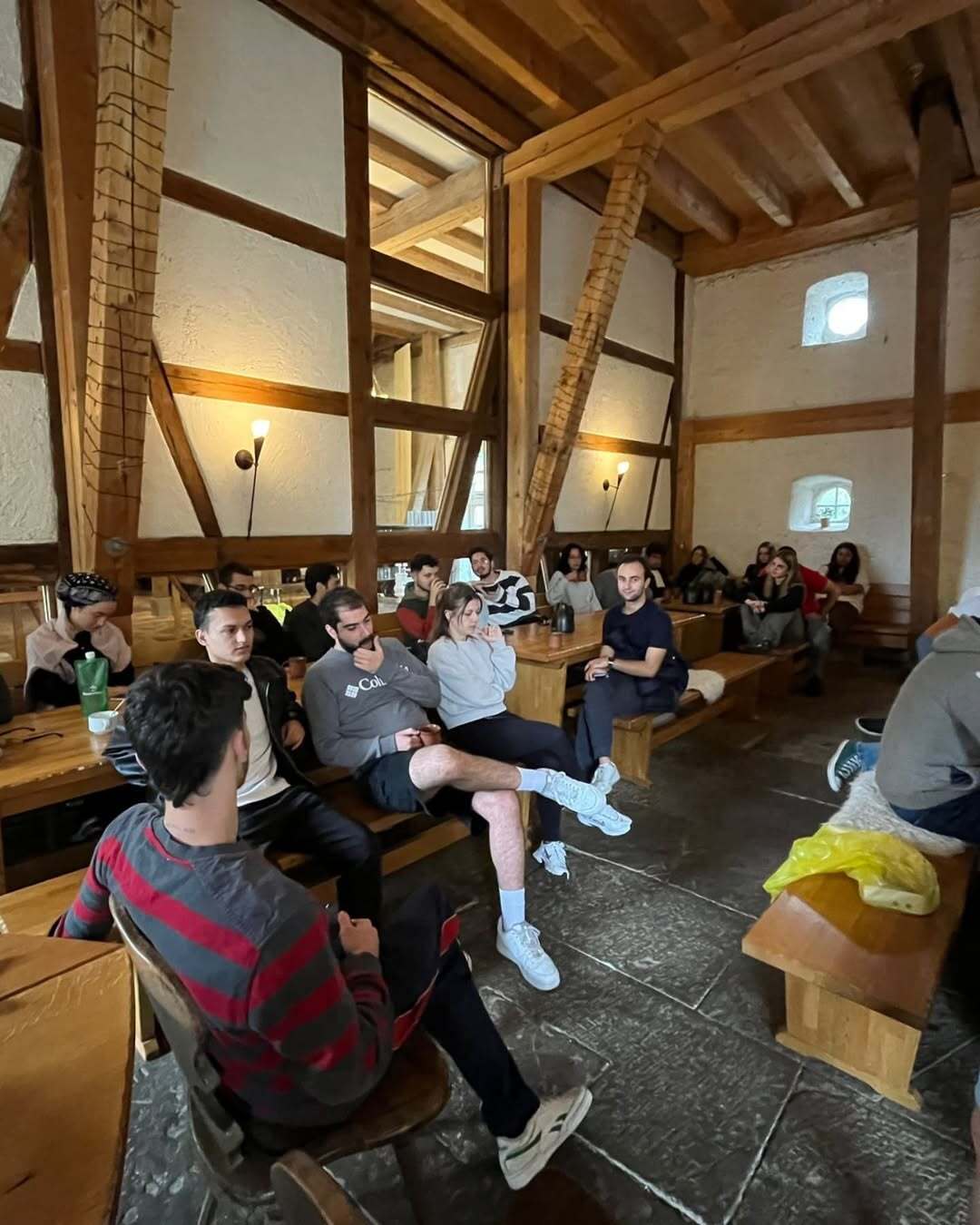
Specialists introduced participants to the fundamentals of media literacy, the psychology of misinformation, and community resilience against disinformation.
Stage 2: Research and Solution Development
Participants conducted national and international research, identified key problems, and proposed practical strategies to combat false information.
Stage 3: Active Participation in Events
Workshops, drama sessions, interviews, and social experiments were organized to transform theory into practice and disseminate insights to wider audiences.
Stage 4: Evaluation and Sustainability
Participants evaluated project outcomes and developed sustainability strategies to ensure the continuation of the initiative after the main activities.
Key Activities
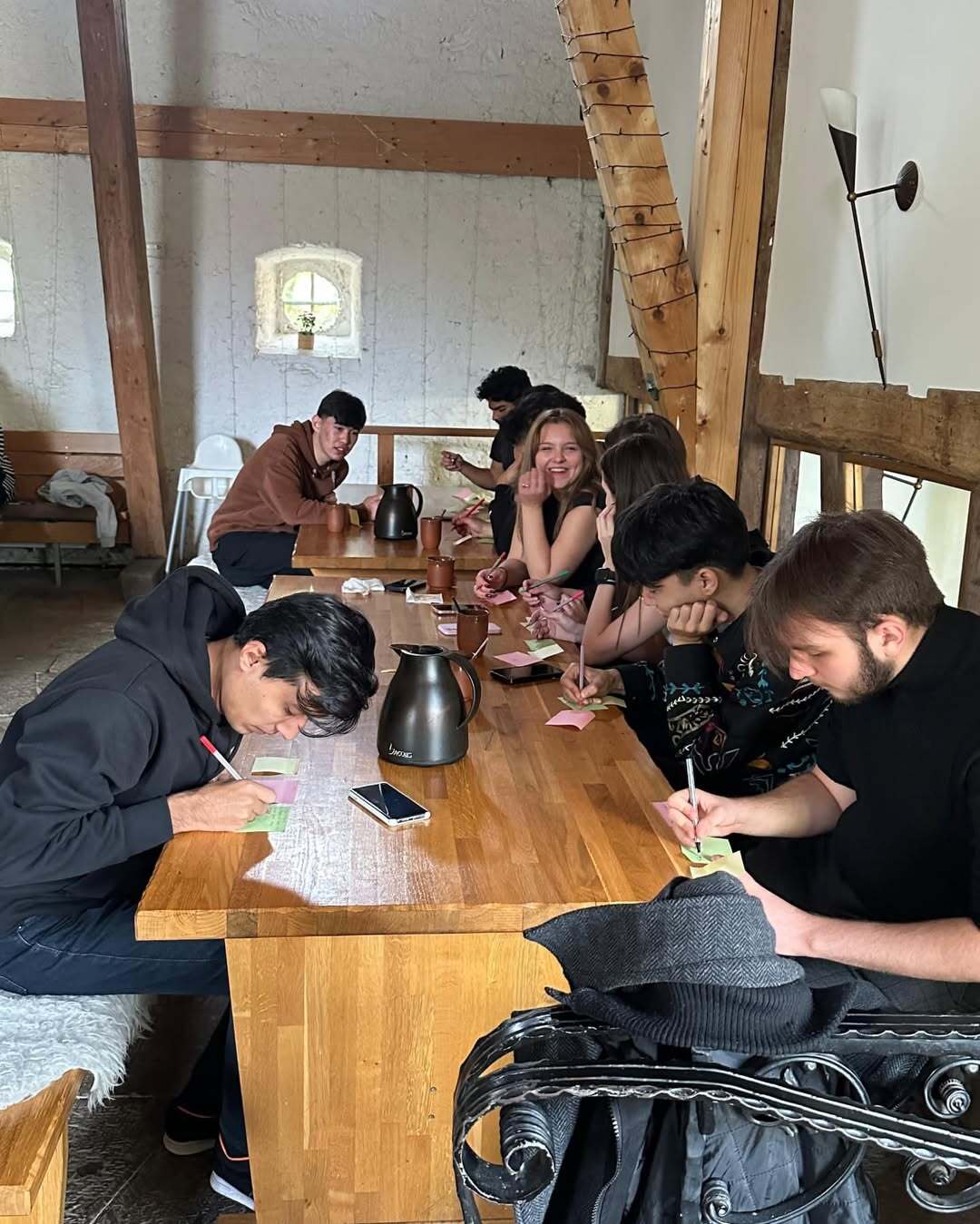
- Concept Mapping: Collaborative exploration of the concept of “disinformation” and its social implications.
- Expert Presentation – “Youth and Media Literacy”: Interactive lecture followed by a Q&A session.
- The Situation in My Country: National teams researched their country’s initiatives against disinformation and shared findings.
- EU Action Plan: Participants studied the EU Action Plan on Disinformation and discussed its relevance.
- Fake News Examples: Analysis of real-world false news cases and their spread across media platforms.
- What Should True News Look Like?: Expert session defining journalistic accuracy and ethical reporting.
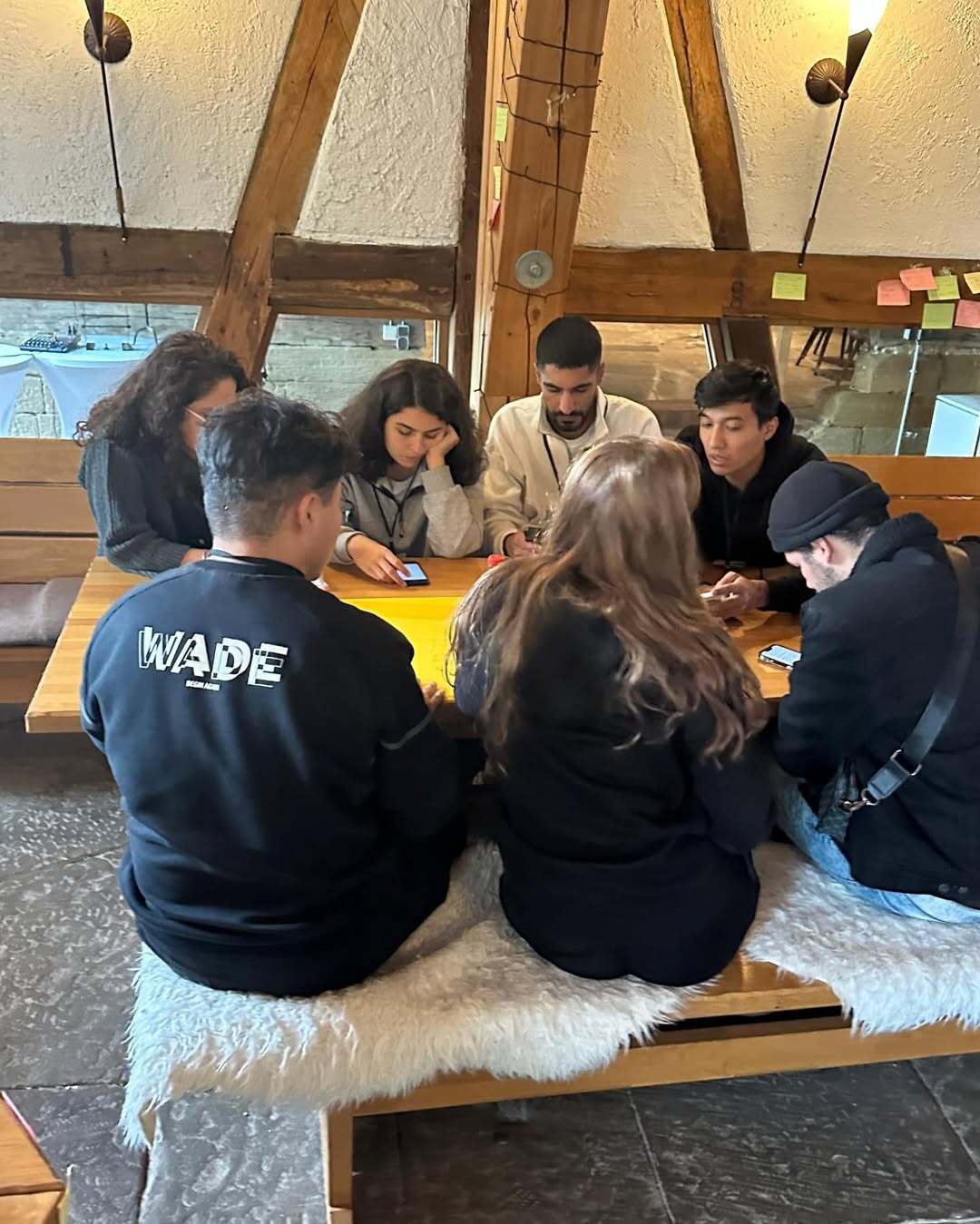
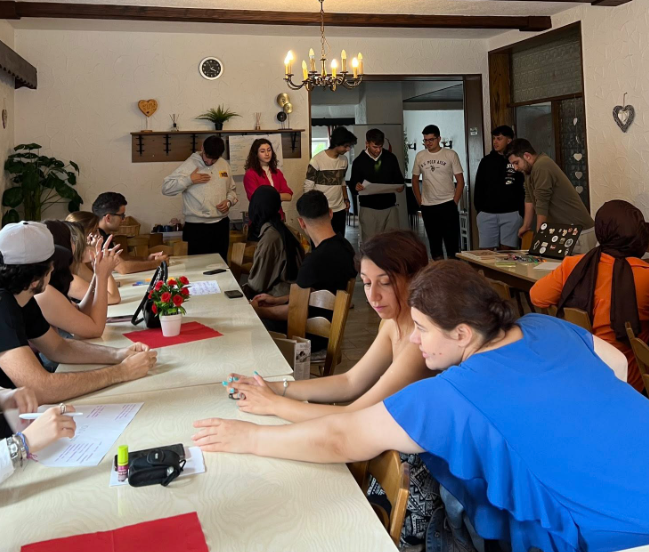
- Fake vs. True News Game: Teams competed to classify prepared news stories correctly, reinforcing critical-reading skills.
- Media Stand: Public information stand set up for Media and Information Literacy Day in the city center.
- Flash Mob for Truth: Youth participants staged a creative public performance promoting critical awareness.
- Poster and Slogan Campaign: Groups designed visual campaigns raising awareness about misinformation.
- Fake News Newspaper: Collaborative digital exercise producing a sample online newspaper filled with fabricated stories for analysis.
- False News Scenarios (Video Production): Teams produced short videos simulating how false news spreads.
- Media Literacy Art Exhibition: Creative art pieces expressing the dangers of disinformation.
- Workshop – “Ways to Combat False News”: Discussion and strategy development session.
- Letters to Authorities: National groups wrote letters to media regulators and ministries proposing anti-disinformation measures.
- Project Drafting: Teams designed new project ideas to continue collaboration beyond the event.
- Dissemination Planning: Participants developed outreach ideas meeting Erasmus+ quality standards.
- Evaluation Game: A playful group activity assessing project outcomes and participant learning.
Participants
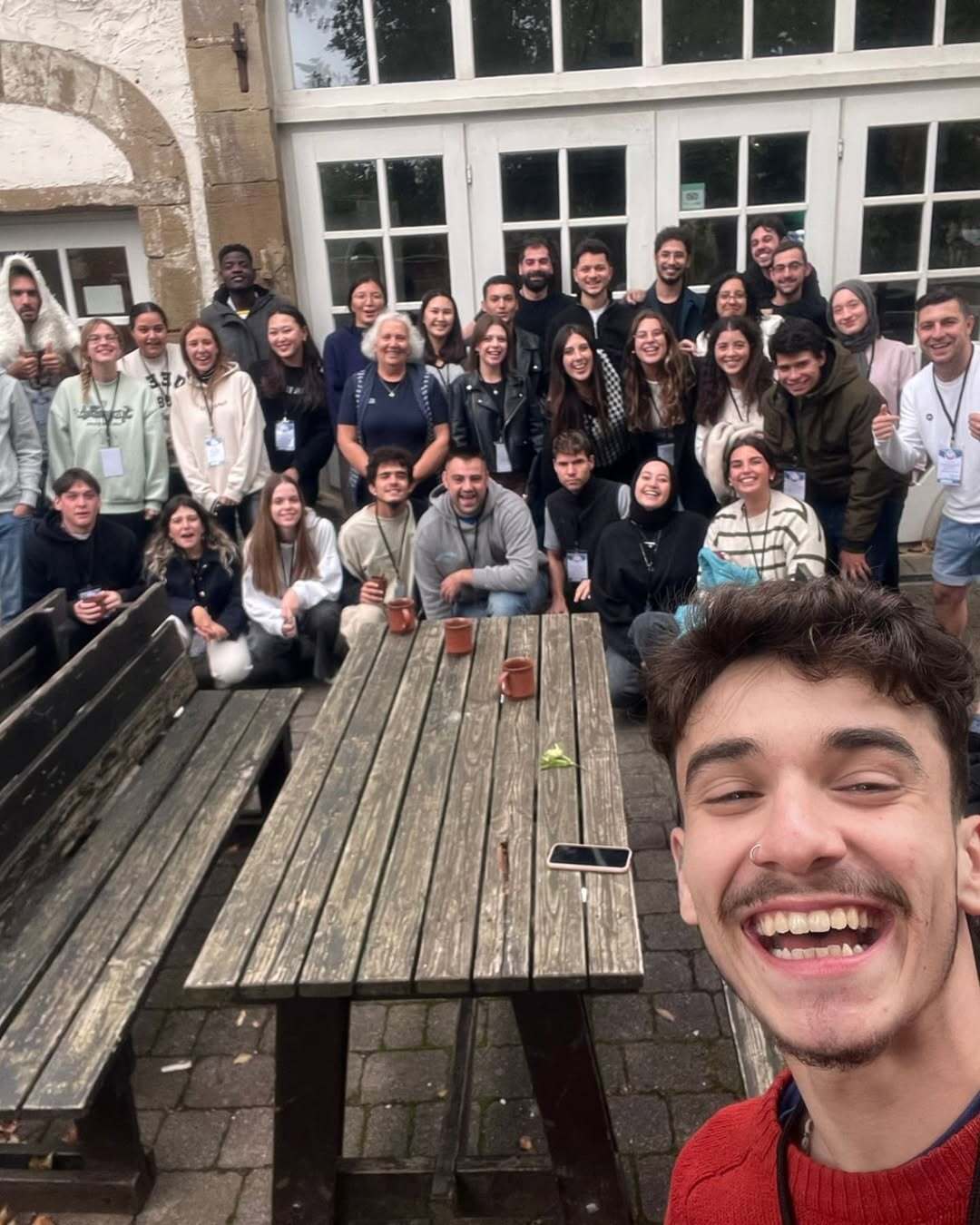
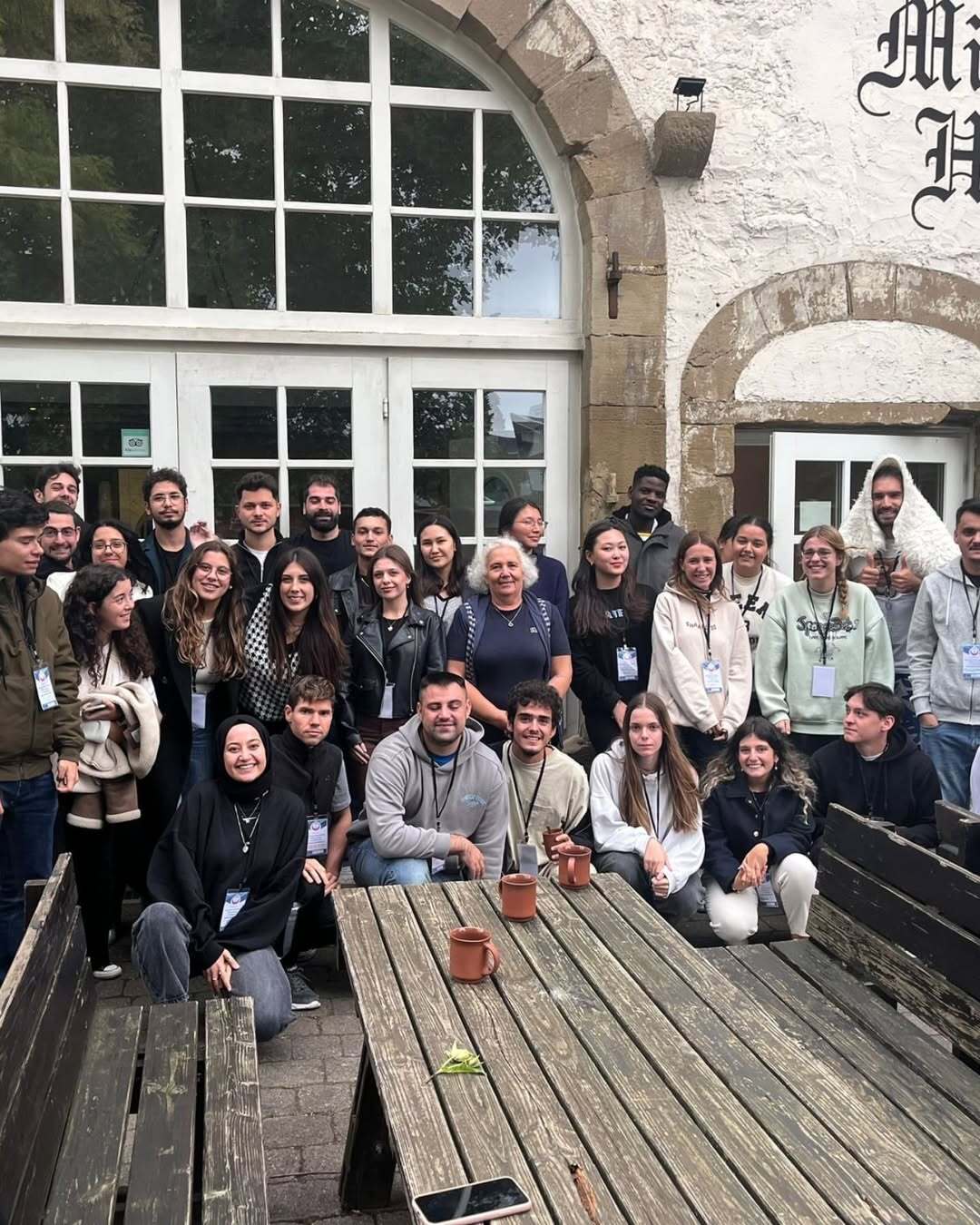
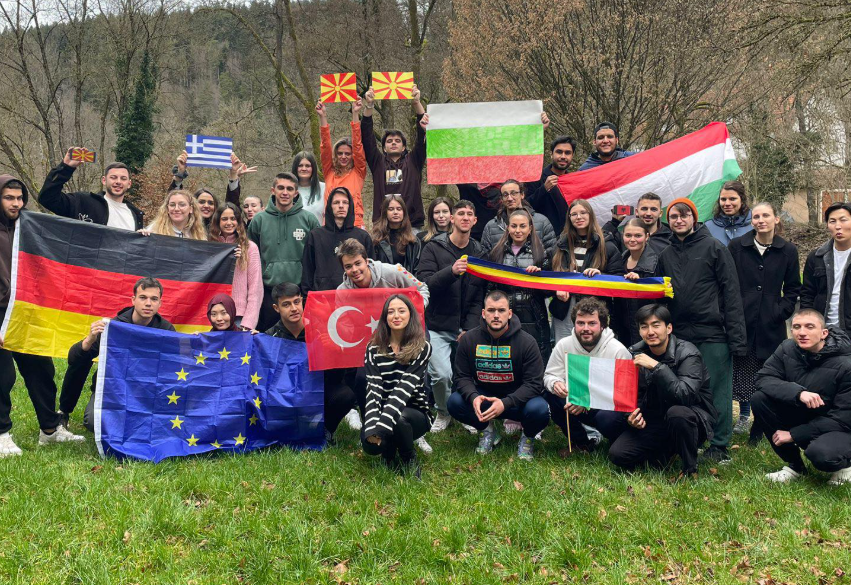
The project involved 56 participants aged 16–30 from 7 countries.
- Each country contributed 8 young participants and 1 facilitator.
- Motivation letters were used for participant selection to ensure commitment and diversity.
- Each national team included at least one disadvantaged participant (socially, economically, or geographically).
- The project launch included 2 representatives from each country and 50 local stakeholders — including decision-makers, educators, and institutional representatives.
Impact
- Strengthened digital and media literacy skills among young Europeans.
- Enhanced participants’ ability to detect, analyze, and debunk disinformation.
- Increased collaboration between youth organizations, educators, and media professionals.
- Created practical educational materials, campaigns, and media content to promote truth and transparency.
- Contributed to a more informed, critical, and democratic society resistant to manipulation.
The European Commission’s support for the production of this publication does not constitute an endorsement of the contents, which reflect the views only of the authors, and the Commission cannot be held responsible for any use which may be made of the information contained therein.