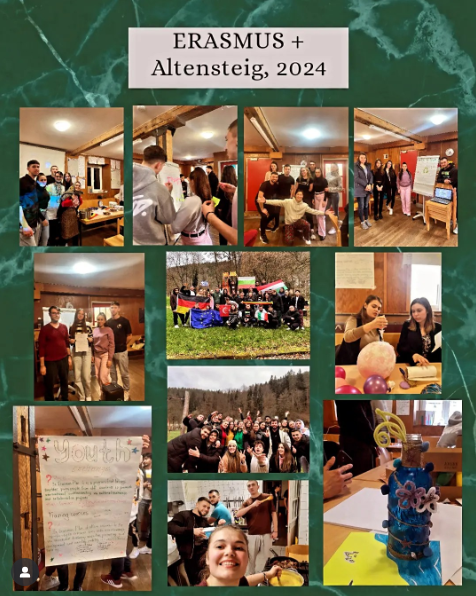
Do It Yourself for Yourself (DIY )
January2024
The European Union and Jugend Für Europe provided support for this Erasmus+ Youth Project.
In today’s world of instant access and ready-made consumption, young people have grown increasingly detached from the values of creativity, craftsmanship, and self-reliance.
Unlike past generations who produced before consuming, today’s youth often depend on pre-packaged goods and digital convenience — a trend that limits creative thinking, manual skills, and entrepreneurship.
The Do It Yourself for Yourself (DIY) project was created to reignite young people’s ability to create, repair, and innovate using their own hands and imagination. It encourages youth to rediscover the satisfaction of making something themselves — developing both practical life skills and a sustainable mindset that values creativity over consumption.
To empower young people to become producers instead of passive consumers, enhancing their ability to find practical solutions to everyday needs through creativity, innovation, and hands-on experience.
Specific Objectives
- To motivate young people to meet their daily needs independently.
- To show that many everyday materials can be created, reused, or repaired through basic skills.
- To develop original thinking and creativity in young participants.
- To promote the concept of “produce before you consume.”
- To teach how to create useful items from waste materials, supporting sustainability and environmental awareness.
Project Activities
Day 1 – Arrival and Integration
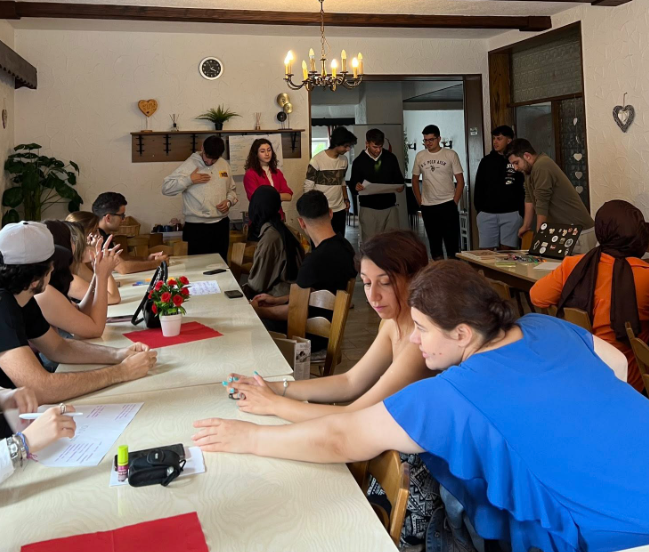
Participants arrive and take part in icebreakers, trust games, and group-building activities designed to create a friendly, inclusive environment.
Day 2 – Discovering the DIY Spirit
- Overview of the week’s activity plan, goals, and expectations.
- Group dynamics exercises to enhance cooperation.
- Introduction to the 8 Key Competences of Erasmus+ and Youthpass.
- Informative presentation: “What is the DIY Movement?” – Exploring its philosophy and modern relevance.
Day 3 – I Design, I Invent
Participants are divided into creative teams (4–5 people).
Throughout the day, they collect waste materials and brainstorm ideas to turn them into practical inventions.
Activities include:
- Field visit to a local waste factory.
- Group discussion: What is waste? How can we reuse it in daily life?
- Identifying small daily-life problems and designing creative solutions using collected materials.
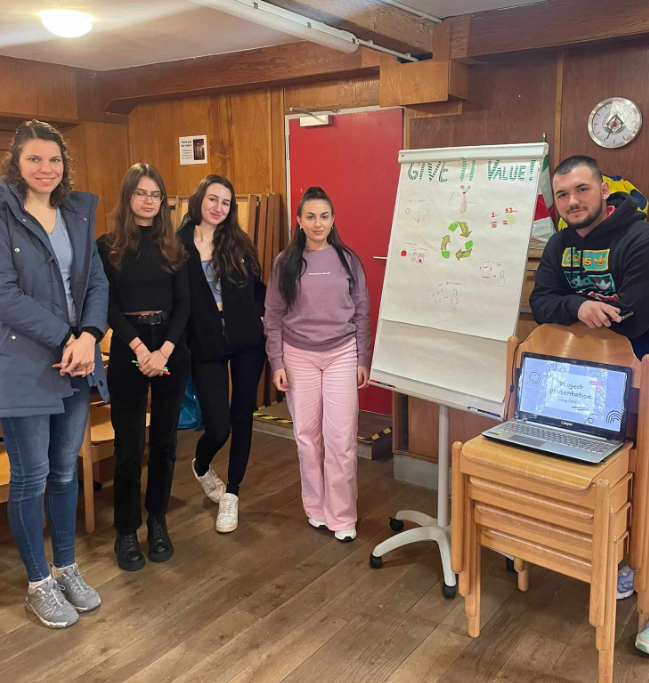
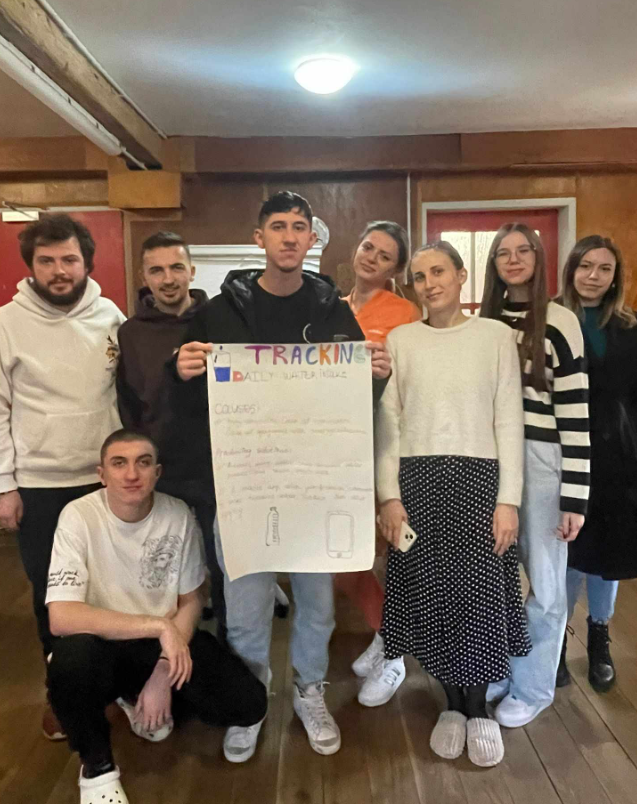
- Poster presentations of invention ideas.
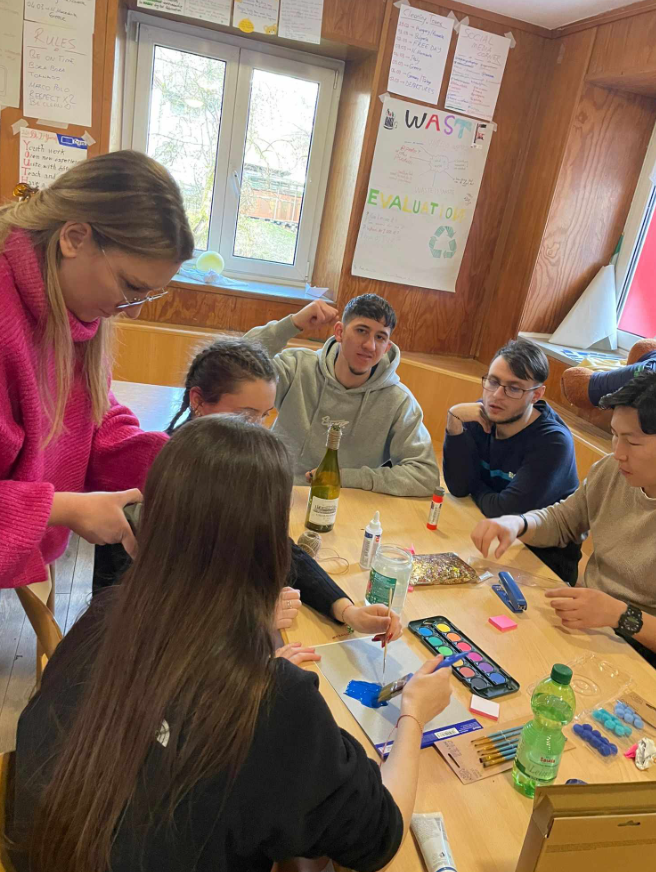
- Model-building workshop to transform designs into real prototypes made from recycled materials.
Day 4 – I Produce Before I Consume
A full day of hands-on maker experiences.
- Expert presentation: Introduction to the Maker Movement and DIY culture.
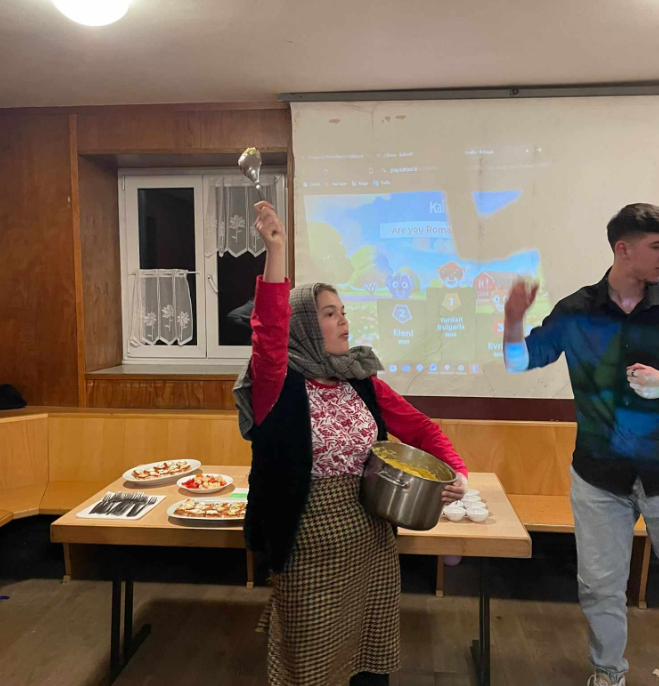
- Culinary session: Making homemade natural food, jams, and canned goods.
- Simple electronics workshop: Building a basic electric circuit.
- Creative craft: Making DIY chandeliers using rope, glue, and balloons.
Day 5 – I Decorate My House
Turning waste into art and comfort.
- Crafting vases from waste glass bottles and decorative flowers from paper rolls.
- Making mirror frames or wall art using broken CD pieces.
- Building a bookshelf from wooden crates.
- Creating eco-friendly mops and pompoms from leftover yarns.
Day 6 – I Develop My Creativity
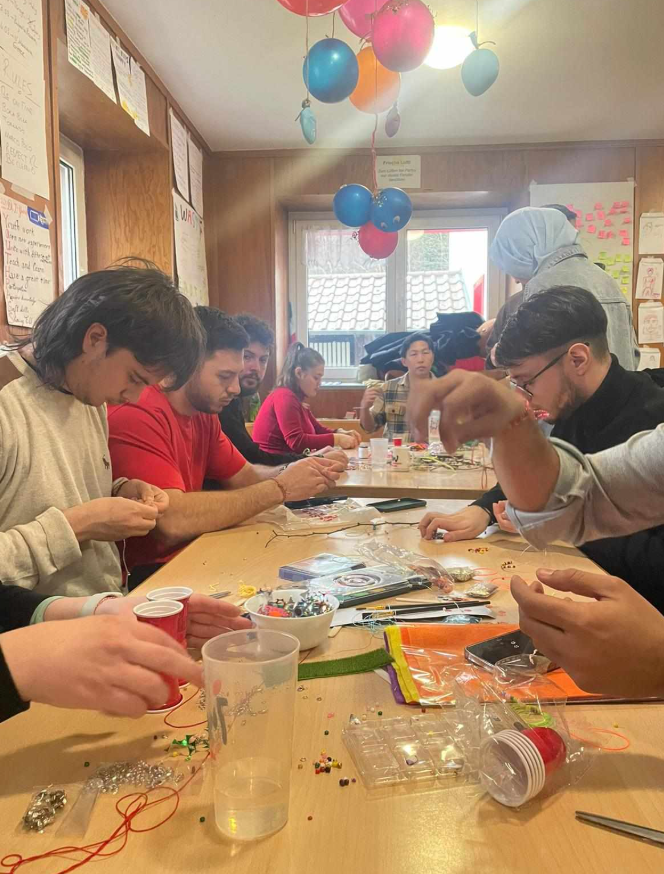
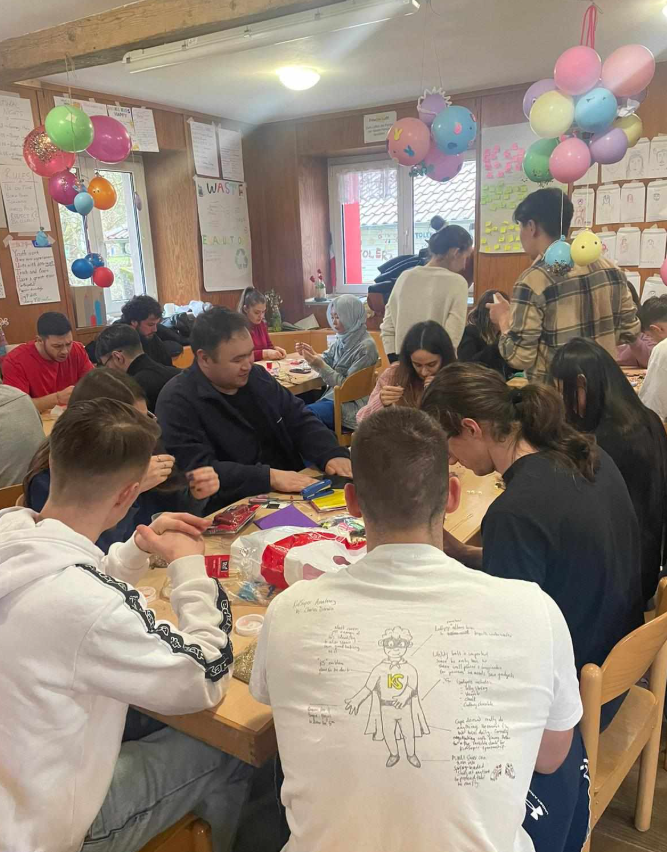
- Jewelry-making session to explore artistic expression and hand skills.
- Creating a DIY jewelry organizer.
- Building snow globes and gift boxes to strengthen social bonds and confidence.
- Upcycling challenge: Transforming ice cream sticks into creative furniture miniatures.
Day 7 – I Learn My Social Responsibilities
Connecting creativity with compassion.
- Making cat and dog mats from old sweaters.
- Designing bird feeders from tin cans.
- Sewing reusable shopping bags to reduce plastic use.
- Charity event: Selling the handmade jewelry and ornaments in the city center and donating the proceeds to a local NGO — reinforcing youth social responsibility.
Day 8 – I Share and Reflect
- Exhibition Day: Display of all DIY products for the local community.
- Shooting and sharing a DIY awareness video on Instagram.
- Preparing 1–3–6 month dissemination plans and a project newsletter in each group’s native language.
- Final evaluation session and Youthpass ceremony celebrating participants’ achievements.
Participants
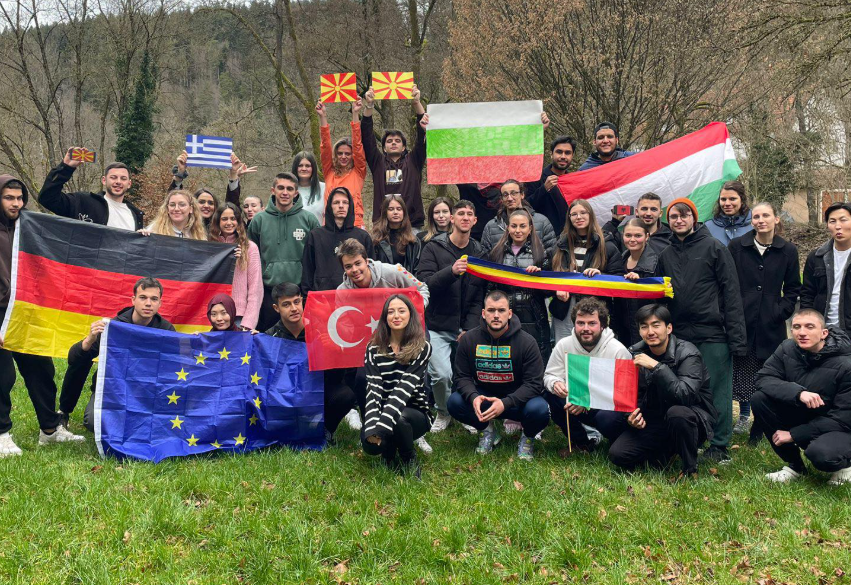
- Total: 6 participants per country
- Age range: 16–25 years old
- Leaders: 25+ years old, with at least 5 years of youth work experience
- Each group included 2 socially and 2 economically disadvantaged participants, ensuring diversity and inclusion throughout the program.
Impact
Participants gained:
- Practical skills in production, repair, and creative reuse.
- Enhanced problem-solving, teamwork, and innovation abilities.
- Confidence and independence to meet their own needs sustainably.
- Awareness of environmental protection and zero-waste practices.
- A spirit of entrepreneurship, understanding that creativity can turn into opportunity.
The project also encouraged local citizens to appreciate sustainable living and inspired a community movement promoting creativity and self-sufficiency.
The European Commission’s support for the production of this publication does not constitute an endorsement of the contents, which reflect the views only of the authors, and the Commission cannot be held responsible for any use which may be made of the information contained therein.